
Beyond the Barbecue: How to Design an Outdoor Kitchen That Lasts
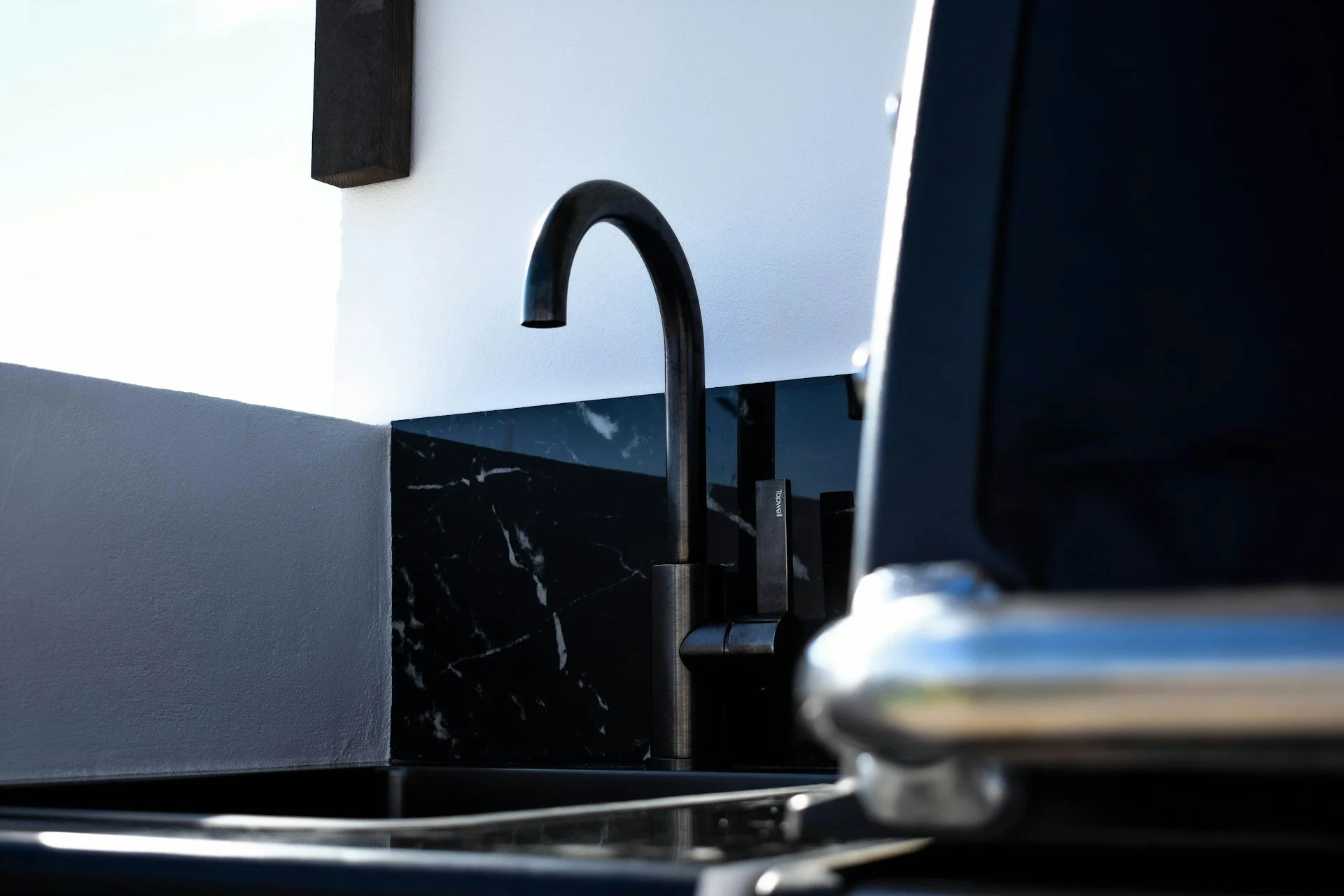
Outdoor kitchens are one of the most considered investments a garden can accommodate. Unlike a standalone barbecue or a portable grill, a built-in outdoor kitchen is a permanent feature that’s intended to function as a genuine extension of the home. To achieve this, it needs to be designed into the garden from the outset and constructed from durable materials.
In this article, we'll explore what defines a well-designed outdoor kitchen, which materials and appliances suit the UK climate, how to plan the layout effectively and what to consider before committing to a build.
What makes an outdoor kitchen different from a barbecue setup
The distinction between an outdoor kitchen and a conventional barbecue station goes beyond scale. A built-in outdoor kitchen integrates cooking, preparation and storage into a single cohesive structure. It's designed to stay in place and weather the seasons. Not to mention sitting in visual harmony with the rest of the garden.
Where a freestanding barbecue is functional but temporary, an outdoor kitchen is architectural. It typically includes:
A fixed cooking appliance
A preparation surface
Closed or open storage
Sometimes a sink with drainage
The result is a space where cooking outdoors becomes genuinely practical rather than improvised. And where the act of preparing food is part of the experience of being in the garden rather than a concession to it.
Layout and planning
Good outdoor kitchen design starts with the same logic as good kitchen design indoors. You want a clear working triangle between cooking, preparation and storage, with surfaces at a comfortable height and logical sequencing for how the space will actually be used.
Orientation
Before specifying any appliances or materials, it's worth thinking about orientation. The cooking area should sit with prevailing winds in mind, so smoke and heat move away from seating. South or south-west facing positions make the most of afternoon and evening light.
Proximity
Proximity to the house matters too. The closer the outdoor kitchen is to the indoor kitchen, the easier it is to carry food, crockery and supplies between them.
Shelter
Shelter is worth considering seriously in the UK context. A pergola, canopy or garden room positioned over or adjacent to the cooking area extends the season considerably and allows the kitchen to be used in light rain without interruption.
Services
Services need to be planned early:
Whether it’s from mains or bottled gas, your gas supply needs to be specified before construction begins.
If a sink is included, drainage routing needs to be resolved as part of the groundwork.
Electrical supply for lighting, refrigeration or powered appliances should be planned at the design stage, not retrofitted.
Materials for worktops, structure and storage
Material choice for an outdoor kitchen needs to account for both appearance and durability. These structures are exposed to the full range of British weather year-round, so surfaces that look well on day one but degrade within a few seasons represent poor value.
Worktops
Worktops are most commonly specified in natural stone, porcelain or stainless steel:
Natural stone handles heat well, ages attractively and sits naturally in garden settings. Particularly granite and slate.
Porcelain is highly resistant to frost, staining and UV fading, which makes it a reliable option in cooler climates.
Stainless steel is a practical choice around the cooking zone itself, as it's easy to clean and unaffected by heat.
Structure
The structure is typically built from concrete block, engineering brick or powder-coated steel:
Concrete block and brick both offer longevity and can be finished in render.
Natural stone cladding or facing brick to suit the garden's character.
Marine-grade stainless steel or powder-coated aluminium frameworks are lighter-weight alternatives and offer strong corrosion resistance.
Storage
Cabinetry and storage should use materials rated for outdoor use. Marine-grade stainless steel, aluminium or HDPE (high-density polyethylene) are the standard options. Timber can be used for aesthetic effect but requires a weather-resistant species and regular maintenance, and is better suited to sheltered settings.
Appliances and cooking options
The core of most outdoor kitchens is a built-in gas grill or barbecue. But the range of available appliances has expanded considerably. Pizza ovens, kamado grills, flat-top griddles, smokers, side burners and outdoor-rated refrigerators can all be integrated into a built-in structure.
Gas remains the most practical choice for regular use. It heats quickly and is easy to control. Plus, you don’t need to source charcoal or wood for every session. On the other hand, charcoal and wood-fired appliances offer distinct cooking characteristics. They’re well suited to the kind of occasion where the cooking itself is part of the social experience.
Additionally, a refrigerator rated for outdoor use keeps drinks, marinades and perishables within reach without requiring trips indoors. This is one of the upgrades that most clearly separates a functioning outdoor kitchen from a simple cooking station.
Outdoor kitchens in the UK climate
The UK climate poses specific challenges for outdoor kitchens that don't arise in warmer countries. Frost, persistent damp and extended periods of low light mean that material specifications need to be more conservative, and that any appliances left in situ over winter must be rated for outdoor storage.
Covers for appliances and worktops are a practical necessity during extended wet periods. Many built-in grill manufacturers offer fitted covers designed for their units. For worktops, overhang detailing that allows water to run clear of the structure rather than pooling reduces long-term staining.
It's also worth noting that the season for outdoor cooking in Warwickshire and the wider Midlands region typically runs from late April through to October, with reliable windows in spring and autumn as well as summer. A well-sheltered outdoor kitchen, positioned to catch afternoon sun and shielded from prevailing winds, will be used far more frequently than one that relies on sustained warm weather.
Integration with the wider garden
An outdoor kitchen functions best when it's treated as a destination within the garden rather than an afterthought attached to the back of the house. Positioning it in relation to seating, paths and planting, rather than simply pushed against an available wall, allows it to feel like a considered part of the space.
Surrounding planting can soften the structure and screen service elements without compromising access. Herbs grown nearby serve both a practical and an aesthetic purpose. Lighting at the cooking zone, the worktop and the surrounding area extends the kitchen's usefulness into the evening and contributes to the overall atmosphere of the space.
You can learn about more gardening terminology in our complete guide.
Ready to add an outdoor kitchen to your garden?
A well-designed outdoor kitchen adds a genuinely functional dimension to a garden. It can be used across the seasons rather than reserved for occasional summer days.
At Umber Garden Design, outdoor kitchens are designed as integrated features, considered within the wider layout. Crucially, they’re built by our own team using materials chosen for long-term durability and visual coherence.
We work across garden design and landscaping in Warwickshire and the surrounding area, from initial concept through to completed build. Whether you're planning a new garden from scratch or adding a cooking and entertaining area to an existing space, we'd be glad to help you work out what's right for your site. Contact us today to arrange a consultation.