
Backfill Explained: The Hidden Work Behind Every Retaining Wall
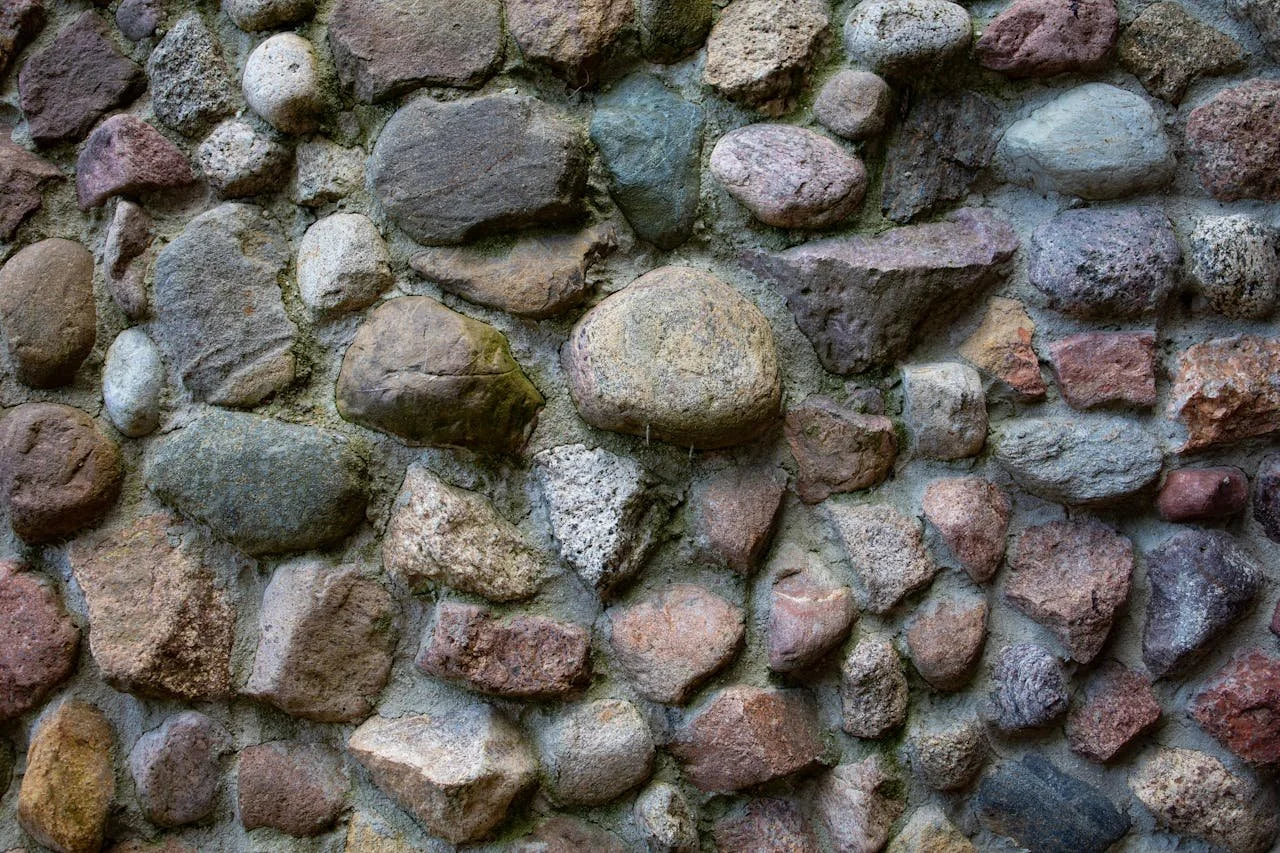
Backfill is one of the most significant details in garden construction, and one of the least discussed. It refers to the material placed behind a retaining wall, raised bed or other structural element to fill the void between the new build and the surrounding ground.
Once the project is finished, it's completely invisible. But it's doing continuous structural work from that point forward. And getting it wrong is one of the most common causes of wall failure in residential gardens.
In this article, we'll explore what backfill is and why drainage is the central concern, plus how soil conditions affect the specification. You’ll also learn what proper backfill practice means for the long-term performance of your garden's hard landscaping.
What backfill is and why it matters
When a retaining wall or raised structure is built in an existing garden, the act of construction creates a gap between the new wall and the undisturbed ground behind it. That gap has to be filled before surface levels are reinstated. Whatever material goes into it is the backfill.
The choice of material and the care taken in placing it will determine whether the wall holds its position for decades or begins to move within a few winters. It's not a detail that can be revisited easily once the garden is finished. If the backfill is poorly specified, the wall usually has to come down and be rebuilt entirely.
Why drainage is the central concern
The most common cause of retaining wall failure isn't poor construction at the face of the wall. It's water pressure building up behind it. When backfill material holds moisture rather than draining freely, that moisture accumulates over time. The weight and lateral pressure of saturated material pushes against the back of the wall. Eventually the wall begins to lean, crack or collapse.
On the other hand, the right backfill drains freely. In most cases this means a clean, angular gravel or crushed stone, placed and compacted in layers rather than tipped in all at once. Angular aggregate is important here. Rounded gravel shifts and settles unpredictably, whereas angular stone locks together and compacts reliably.
A geotextile membrane is also typically installed between the backfill and the native soil behind it. This allows water to pass through freely while preventing fine soil particles from migrating into the drainage layer and silting it up over time. Without that membrane, even a well-specified aggregate can lose its effectiveness within a few seasons.
On taller walls or steeper slopes, a land drain running along the base of the wall is part of the same detail, giving water a clear route out rather than allowing it to pool at the base of the structure.
How soil conditions affect the specification
The right backfill specification isn't the same on every site. It depends on the height and nature of the wall, the materials used and the existing ground conditions. This is one of the reasons a thorough site survey matters before any build begins.
Clay soils are widespread across Warwickshire and much of the surrounding region. These particularly prone to holding water. On a clay-heavy site, the risk of hydrostatic pressure building behind a wall is considerably higher than on a free-draining sandy or chalky soil. The drainage specification needs to account for this from the outset, not once the ground is already open and the wall is under construction.
Frost is worth considering separately. When saturated soil freezes, it expands. And that expansion generates significant lateral force against whatever is in its way. A wall with good drainage behind it won't be holding saturated material when temperatures drop. A wall with poor backfill will. The difference in how each performs after several hard winters isn't subtle.
What to expect from a well-specified build
If you're commissioning a garden with retaining walls, raised beds or changes in level, it's worth asking your designer and build team how they approach backfill and drainage. The questions are straightforward:
What aggregate are you specifying
Will there be a geotextile membrane
Is a land drain included where the wall height warrants it?
A team that builds to a high standard won't find these questions unusual.
The answer matters because the consequences of poor backfill are deferred. The wall looks fine on the day it's finished. The problems arrive two or three winters later, once the ground has been through several cycles of saturation and frost. By that point, the garden is established, the planting is in and pulling the wall apart is a much more disruptive undertaking than specifying it correctly in the first place.
The long-term performance of a properly backfilled wall
A retaining wall that's been properly backfilled and drained won't move. It won't develop the slow forward lean that's a recognisable sign of pressure building behind the structure. It'll weather as stone and mortar are meant to weather. That means gradually and honestly, holding its line as the garden around it matures.
The finish of a well-built wall is visible. The quality of what sits behind it isn't. But one depends entirely on the other, and the hidden work is what determines whether the visible result lasts five years or fifty.
You can learn about more gardening terminology in our complete guide.
Ready to plan your garden's hard landscaping?
Getting the structural details right from the start is what gives a garden its longevity. At Umber Garden Design, backfill specification is part of every retaining wall and raised bed project we undertake, designed and built by the same in-house team from first survey to final construction.
Whether you're planning a terraced garden on a sloping site or a series of raised beds, we'll ensure the build is as considered below the surface as it is above it. Contact us today to arrange a consultation.