
Composite Decking: The Low-Maintenance Wood-Plastic Decking Boards
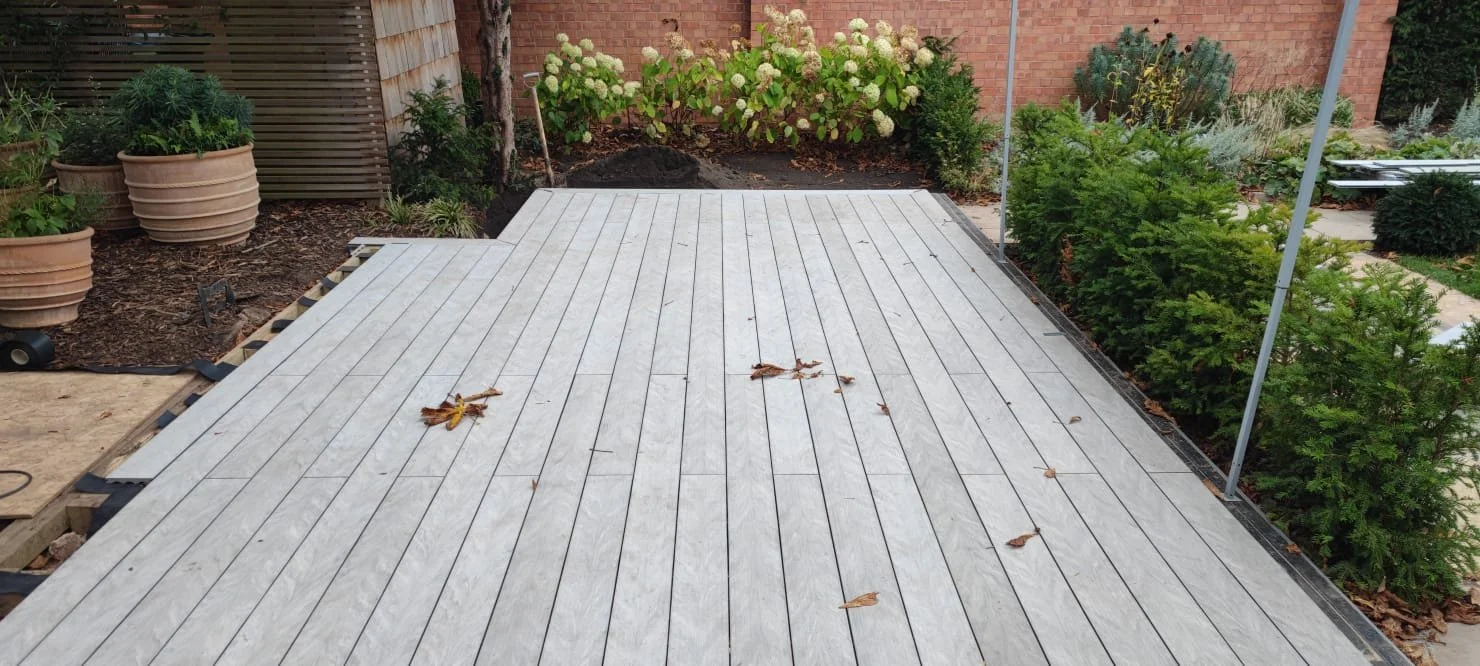
Made from a blend of wood fibres and plastic, composite decking offers the beauty of natural wood with the durability and low-maintenance benefits of synthetic materials.
In this article, we’ll take a closer look at its key benefits, different types and maintenance requirements to help you decide if it’s the right choice for your next project.
What exactly is composite decking?
Composite decking is a modern, eco-friendly alternative to traditional wooden decking. It’s typically made from a combination of wood fibres and plastic, with some composite materials incorporating recycled materials such as plastic bottles and wood scraps. This mixture creates a strong, durable board that mimics the look of wood while providing resistance to the elements.
Compared to traditional wood decking, composite decking doesn’t require frequent sanding, staining or sealing. Its design ensures that it resists the warping, splintering and rotting that can occur with wooden decking over time. So, composite decking is a popular choice for those who want the beauty of wood without the intensive maintenance.
Benefits of composite decking
Low maintenance
One of the most significant advantages of composite decking is its low maintenance. Unlike traditional wood decking, composite boards don’t need to be sanded, stained or sealed to keep them looking their best. All they need is occasional cleaning to remove dirt and debris, saving you time and effort in the long run.
Durability
Composite decking is built to last. The combination of wood fibres and plastic makes it resistant to damage from UV rays, moisture and temperature fluctuations. It won’t warp, crack or splinter like wood, meaning your deck will maintain its appearance for many years. Additionally, composite decking is resistant to fading, ensuring that the colour remains vibrant despite prolonged exposure to sunlight.
Weather resistance
Composite decking excels in all weather conditions. It won’t swell or warp in damp environments and it’s far less likely to rot compared to wood. Its resistance to extreme temperatures and moisture makes it an excellent choice for both coastal and rural areas, where exposure to saltwater, rain and snow can cause traditional wood decks to deteriorate more quickly.
Eco-friendly
Made from recycled materials, composite decking is an environmentally friendly option. It repurposes wood scraps and plastic, reducing waste and the need for harvesting natural wood. Many manufacturers also use sustainable production processes, making composite decking a great choice for environmentally conscious homeowners.
Variety of styles
Composite decking is available in a range of colours, textures and finishes, giving you the flexibility to create a look that suits your home and garden. Whether you prefer the appearance of natural wood or want a more modern, sleek finish, composite decking offers a variety of options to suit your style.
Related reading: Garden Zoning: Creating Rooms Without Walls
Types of composite decking
Wood-plastic composite (WPC)
Wood-plastic composite decking is the most common type, made from a combination of wood fibres and plastic polymers. It’s available in a range of colours and textures and offers good resistance to moisture, fading and scratching. WPC decking is durable and ideal for a variety of climates.
PVC decking
PVC (polyvinyl chloride) decking is made entirely from synthetic materials. It offers superior resistance to moisture and mildew, making it a great option for areas with high humidity or frequent rainfall. PVC decking is lighter than wood-plastic composites and while it’s typically more expensive, it requires the least amount of maintenance.
Capped composite decking
Capped composite decking features a protective layer on the surface of the board, which helps protect it from stains, scratches and fading. This type of decking is often more durable than traditional wood-plastic composite decking, as the cap provides an additional barrier against the elements.
Pros and cons of each type
WPC is affordable and available in a wide range of styles, but may require more maintenance than PVC decking.
PVC decking is nearly maintenance-free and offers great moisture resistance, but tends to be more expensive.
Capped composite provides excellent durability with added protection against weathering, but it comes at a higher price point.
Maintenance and care of composite decking
Cleaning
Composite decking is low maintenance, but it still requires some care to keep it looking its best. Clean the surface regularly by sweeping off dirt and debris and wash it occasionally with warm soapy water. For more stubborn stains, a mild detergent can be used.
Avoiding common problems
To avoid damaging your composite decking, you should avoid abrasive cleaners, as these can scratch the surface. Additionally, placing hot items or heavy objects on the deck without protective pads can cause discolouration or surface damage.
Long-term care
Composite decking is designed to last for many years with minimal care. However, it’s recommended to inspect your decking periodically for any signs of wear or damage. If your decking starts to show signs of wear, such as colour fading or surface scratches, you can contact the manufacturer for advice on repairs.
Cost of composite decking
Initial cost
Composite decking is generally more expensive than traditional wood decking upfront. The cost varies depending on the type of composite decking, with capped composite and PVC decking being the most expensive options.
Long-term savings
While the initial investment may be higher, composite decking saves money in the long run due to its low-maintenance nature. With no need for regular sanding, staining or sealing, you’ll save on materials and labour costs. Additionally, composite decking is highly durable, meaning it’s less likely to need repairs or replacement compared to wood.
Budgeting tips
When selecting composite decking, it’s important to consider both the upfront cost and the long-term value. By choosing the right type of composite decking and considering factors such as the size of your deck and installation method, you can find an option that fits your budget while still providing a durable, low-maintenance solution.
You can learn about more gardening terminology in our complete guide.
Ready to install composite decking in your outdoor space?
Composite decking offers a durable, low-maintenance and eco-friendly alternative to traditional wood decking. With a variety of styles, types and colours available, it allows you to create a beautiful outdoor space without the constant upkeep that wooden decks require.
At Umber Garden Design, composite decking is just one of the many materials we offer to enhance your garden. We understand that every garden is unique, so we’ll never push a one-size-fits-all solution for garden design or landscaping. Instead, we’ll work closely with you to select the best materials for your needs from a wide range of high-quality options.
Whether you’re after the low-maintenance benefits of composite decking or something entirely different, we’ll ensure your choice complements the style and functionality of your outdoor space. Contact us today to learn more about the options available and get expert guidance on choosing and installing the right decking for your home.