
Cottage Gardens: Embracing Informal, Abundant Planting with Colour and Texture
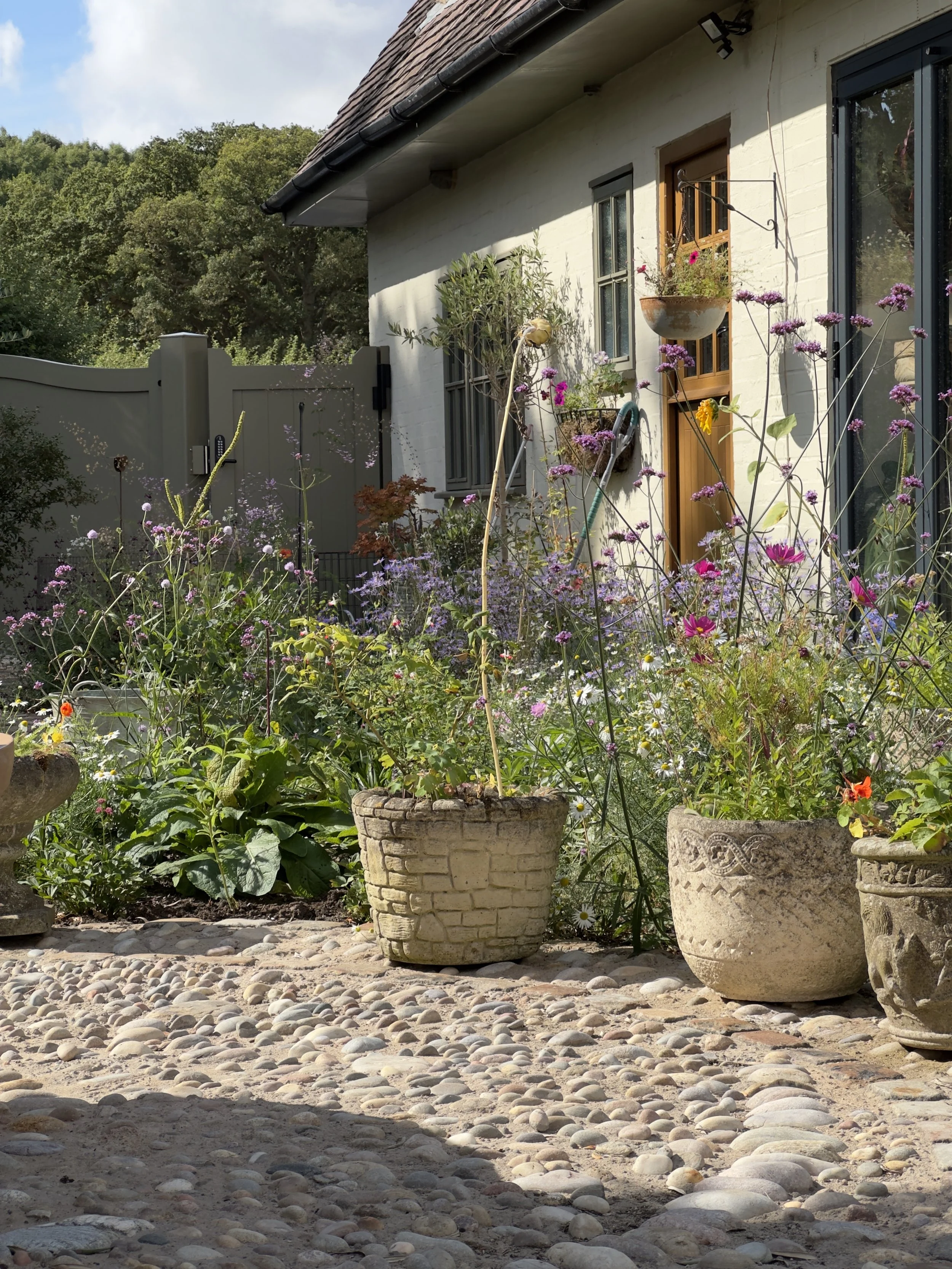
Cottage gardens are cherished for their natural, welcoming charm. Think informal and abundant planting styles that reflect a sense of freedom and beauty. These gardens are often a delightful mixture of vibrant colour, varying textures and rich layers of plants. The result is a space that feels both intimate and overflowing with life.
In this article, we’ll explore the key characteristics of a cottage garden, from abundant planting to the beautiful blending of colours and textures that make them so inviting.
The essence of a cottage garden
Cottage gardens have a long history rooted in practicality and beauty. Originally born from the need for self-sufficient gardening, they were designed to support families with vegetables, herbs and flowers that could be used for both food and medicinal purposes.
Over time, cottage gardens have evolved into a more decorative style. But they still carry the essence of being natural, informal and abundant. The beauty of a cottage garden lies in its ability to appear effortlessly designed, with plants growing in a free-spirited manner that feels both organised and chaotic.
A key feature of cottage gardens is their lack of strict design rules. Instead, these gardens focus on bringing together plants of all types. There’s an emphasis on creating a harmonious environment rather than aiming for perfection. The garden should feel like a natural extension of the home, full of life, colour and texture, without the constraints of formal landscaping.
Abundant planting: the heart of the cottage garden
One of the defining characteristics of a cottage garden is its abundance. Plants are often planted densely, overlapping and growing together in a way that feels full and vibrant. There’s no need for neat rows or exact symmetry. The garden thrives on a wild, yet thoughtful arrangement of plants.
It’s this abundance that gives the garden its unique charm, with flowers, herbs and shrubs tumbling over each other and filling every available space.
Popular plants for cottage gardens include vibrant roses, foxgloves, lavender, hollyhocks and a range of ground covers and ornamental grasses. These plants are selected not just for their beauty, but for their ability to:
Attract wildlife
Enhance the sensory experience of the garden
Create an ever-changing display of colour throughout the year
Whether you’re admiring the boldness of summer blooms or the subtle changes brought on by autumn foliage, the variety of plants ensures that the garden will never feel the same from season to season.
Colour and texture in harmony
Cottage gardens thrive on the blending of contrasting colours and textures. Along with varied plant forms, this harmonious mix of bold and subtle hues creates an inviting and dynamic space. Bold colours are often balanced by the soft pastels of hollyhocks, delphiniums and foxgloves. Rather than being rigidly structured, these combinations blend in a way that feels natural and effortless.
Texture is equally important in a cottage garden. The varied textures of plants create visual interest and draw the eye across the garden. That extends from the delicate fronds of ferns to the sturdy, bushy leaves of rosemary. Mixing fine-textured plants, like lamb’s ears, with coarser plants, such as lavender or echinacea, creates a pleasing contrast that adds depth to the garden.
This combination of colours and textures helps the garden feel full of life and constantly evolving, with new details to discover as the seasons change.
Designing a relaxed, personal space
What sets a cottage garden apart from other types of garden design is its relaxed and personal nature. There is no need for rigid planning or adherence to specific rules. Cottage gardens allow plants to grow freely, taking on their own shape and form to create a space that feels lived-in and welcoming. Paths wind through the garden often made from natural materials like gravel or stone, leading you from one area of the garden to the next.
Climbing plants, such as roses or clematis, are often allowed to spill over fences or trellises. That adds vertical interest and a romantic touch to the garden. These plants may grow in unpredictable ways, weaving their way through the garden, creating a sense of movement and flow.
Above all, every corner of a cottage garden feels like a personal discovery, whether it’s a secluded bench surrounded by fragrant flowers or a small seating area tucked beneath the shade of a tree.
Practicality and beauty
Beauty aside, many cottage gardens are also designed to be practical. Lots of the plants chosen for these gardens are hardy and resilient, able to thrive in a range of conditions. Herbs like rosemary, thyme and mint are often included, offering both culinary and medicinal benefits. These plants provide not just fragrance and colour, but also practical use in the kitchen or for crafting.
In addition to their practicality, cottage gardens are relatively low maintenance once established. The dense planting helps to suppress weeds and many of the plants are well-suited to the local climate, reducing the need for constant care. As the plants mature, the garden becomes self-sustaining, with little need for intervention.
Cottage gardens through the seasons
One of the joys of a cottage garden is its year-round appeal. Each season brings its own unique beauty to the space:
In spring, the garden bursts into life with vibrant blooms, such as daffodils, tulips and primroses. Keeping a cottage garden in flower across the year is partly a matter of timing, and our What to Plant Now tool suggests what to sow or plant in each month to keep the display going.
As summer approaches, the garden fills with the rich colours of roses, peonies and lavender, offering a symphony of scents and visual delights.
Autumn sees the garden begin to wind down, with seed heads and autumn foliage providing texture and interest.
Even in winter, a cottage garden does not feel bare. The structure of trees, shrubs and ornamental grasses provides a framework for the garden, ensuring it never loses its appeal.
This cyclical change is what makes cottage gardens so special, as they offer something new and beautiful with every passing season.
You can learn about more gardening terminology in our complete guide.
Ready to cultivate your own cottage garden?
A cottage garden is a living, breathing space that reflects the beauty of nature in its most abundant and informal form. By embracing abundant planting, a harmonious mix of colour and texture and a relaxed design approach, you can create a space that feels personal, inviting and timeless.
If you’re dreaming of a cottage garden filled with colour, texture and life, let us help bring your vision to life. Our thoughtful garden design services in Warwickshire combine natural beauty with skilled planting to create a space that is both charming and functional.
Get in touch with us today to discuss your dream cottage garden and how we can make it a reality.