
More Than a Path: Why Access Deserves as Much Design as the Garden Itself
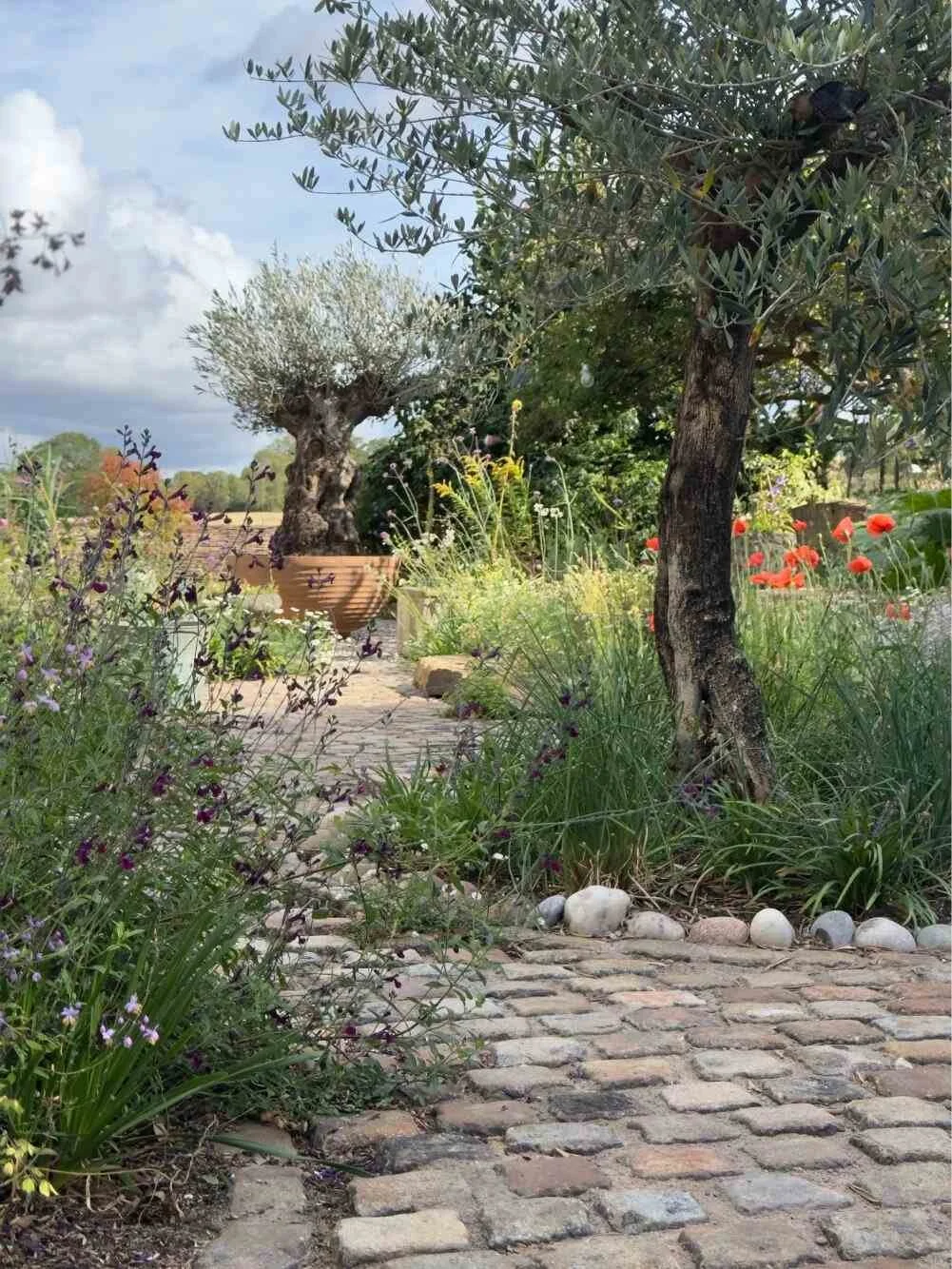
Access is the quietest decision in garden design and one of the most consequential. It's rarely the first thing a client mentions when describing a garden they want, yet how a space is reached, moved through and maintained determines whether that garden actually works day to day.
In this article, we'll explore what access means in garden design, how it shapes a visitor's first impression, how it guides movement through a finished space and why maintenance routes matter just as much as the planting they serve.
What garden access really means
Access covers three separate but connected ideas.
The first is arrival: How someone reaches the garden and what that journey signals before they've set foot in it.
The second is movement: The routes, pauses and sightlines that guide a person through the space once they're in it.
The third is maintenance: The practical routes needed to get tools, materials, green waste and machinery in and out without cutting across borders or damaging paving.
Designers who treat these as an afterthought often end up retrofitting access once a garden's already built, adding a service gate here or a stepping-stone shortcut there.
Treating access as a starting point rather than a fix avoids this. It also tends to produce gardens that age better, because routes designed in from the outset can be built with the right foundations, drainage and materials for how they'll actually be used.
Designing the approach: creating a sense of welcome
Whether it’s from a driveway, a side gate or a back door, the approach to a garden sets the tone for everything that follows. A narrow, awkward or poorly lit route makes even a beautifully planted garden feel like an afterthought. A generous, well-considered one builds anticipation before a single plant comes into view.
Small decisions carry weight here:
The width of a path (wide enough for two people to walk comfortably side by side, rather than single file)
The material underfoot
What's visible from the point of arrival
A framed view, a change of level or a planted threshold that partially screens what's beyond can all do more to create a sense of welcome than any single feature within the garden itself.
Movement through the garden: paths, sightlines and pace
Once you’re inside a garden, access becomes about pace as much as direction. A path that runs in a straight line from one point to another encourages people to move quickly through a space without pausing. A path that curves, narrows briefly, or opens onto a small clearing slows people down and invites them to look around.
Sightlines matter just as much as the physical route. Revealing the whole garden from a single vantage point can flatten the experience of walking through it. Staggered planting, changes in level and deliberately placed screening can keep something back, so a garden reveals itself gradually rather than all at once. This is particularly effective in larger plots, where a single path can be designed to link several distinct areas, each with its own character and pace.
Designing for maintenance access
A garden that looks effortless rarely is. Behind well-kept borders and clean-edged lawns sits a network of practical routes:
Places wide enough for a wheelbarrow or mower
Gates positioned to allow green waste out without crossing a terrace
Hard surfaces durable enough to take repeated foot traffic without wearing or staining
These routes work best when they're built into the design rather than negotiated around it later. A compost area tucked behind planting still needs a clear, solid path to reach it. A greenhouse or cutting garden benefits from its own access point, separate from the main route through the garden, so day-to-day maintenance doesn't disrupt the experience of walking through it.
Getting this right at the design stage means a garden can be properly looked after without undermining the character it was designed to have.
Getting access right for the long term
Access isn't a detail to finalise once the planting and paving choices are settled. It's a structural decision that affects how a garden is used, maintained and experienced for years after it's built. Materials chosen for entrances and paths need to cope with repeated use in all-weather without cracking, shifting or becoming a maintenance burden of their own. That spans from summer gatherings to wet winter mornings.
Gardens that get access right tend to be used more fully. Spaces that are easy to reach get visited. Areas that are simple to maintain stay looked after. And a garden that welcomes people well from the first step tends to be one they want to spend time in, long after the initial impression has worn off.
You can learn about more gardening terminology in our complete guide.
Design a garden that welcomes as well as it works
Thoughtful access turns a garden from something admired at a distance into a space that's actually lived in. At Umber Garden Design, access is considered from the earliest site analysis, alongside garden design and landscaping, so that arrival, movement and maintenance all work together rather than against each other.
Whether you're planning a new garden from scratch or rethinking how an existing one is reached and used, we'll work closely with you to design routes that suit your site, your household and how you actually want to move through your outdoor space. Contact us today to arrange a consultation.