
Lawn Aeration: What It Does and When It Matters
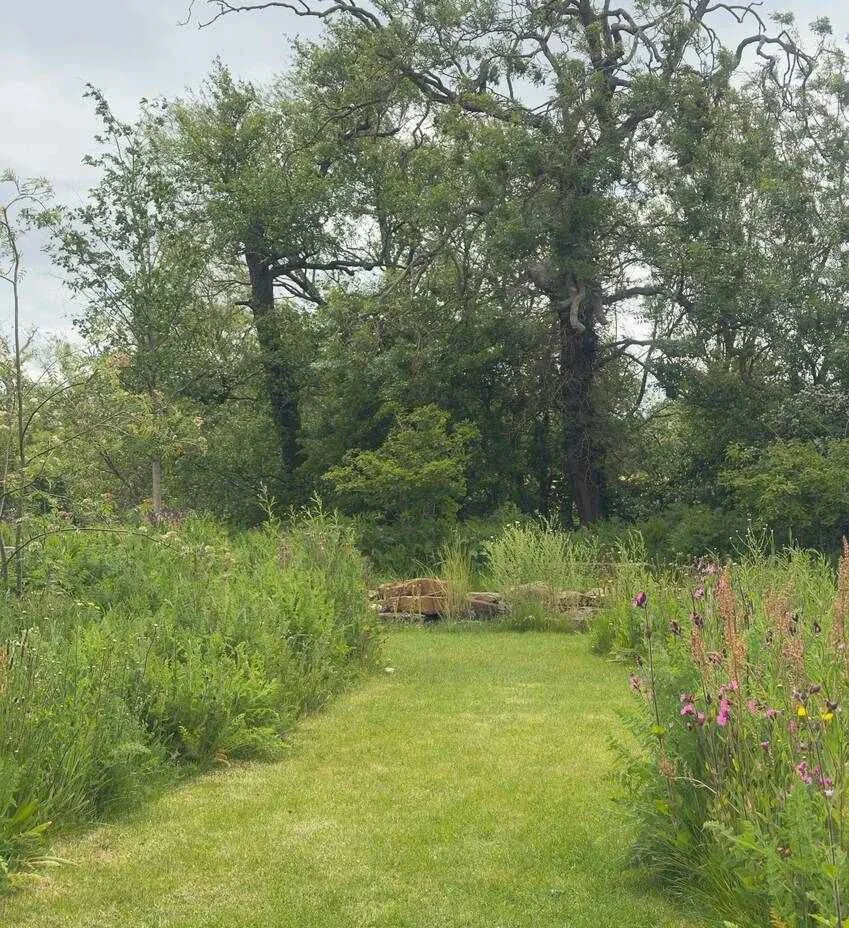
Lawn aeration is the process of creating small channels through the turf and into the soil below, allowing air, water and nutrients to reach the root zone more effectively. It's one of the most beneficial things you can do for a lawn that’s become compacted or waterlogged, not to mention slow to recover after heavy use.
In this article, we'll explore why compaction happens and what it does to grass root. You’ll learn about the different methods of aeration and when each is appropriate, how aeration fits into a wider lawn care programme and what to expect in the weeks after the work is carried out.
Why compaction is a problem
Healthy grass depends on a soil structure that holds both air and water. When soil becomes compacted, the spaces between soil particles close up, drainage slows and roots are unable to penetrate deeply. The lawn may still look green on the surface but will be less resilient. It dries out faster in hot weather, sits wet after rain and recovers poorly from wear.
Compaction is a natural consequence of use. Foot traffic, garden furniture, children playing and maintenance machinery all press the soil surface over time. Clay-heavy soils, common across Warwickshire, are particularly prone to compaction because the fine particles pack tightly together and hold their structure poorly once compressed.
Thatch can compound the problem. A layer of dead organic matter building up between the grass blades and the soil surface resists water penetration and creates the conditions in which shallow, weak root systems develop. Aeration helps break this cycle by opening up the surface and improving the movement of water and air into the profile below.
Methods of aeration
There are two main approaches to lawn aeration, and they work differently. The right choice depends on the severity of compaction, the condition of the lawn and what the ground is being asked to do.
Hollow-tine aeration
Hollow-tine aeration involves removing small plugs of soil using a hollow-tined fork or mechanical aerator. The cores are lifted out and either removed from the lawn or broken up and worked back in. This is the more effective method for seriously compacted or poorly drained ground. It physically removes material rather than simply displacing it, creating genuine space in the soil profile. The holes left behind can be filled with a top-dressing of sharp sand or a sand and compost mix to improve drainage and soil structure over time.
Solid-tine aeration
Solid-tine aeration uses solid spikes rather than hollow tines. It's less disruptive and quicker to carry out, making it suitable as a routine maintenance treatment on lawns that aren't severely compacted. The limitation is that it displaces soil sideways rather than removing it, which can increase compaction slightly around each hole if the ground is very dense. On looser, well-maintained soils it works well as a regular treatment to keep the surface open.
Slitting and scarification are related but distinct processes:
Slitting creates shallow cuts through the thatch layer to improve surface drainage.
Scarification removes thatch more aggressively using rotating blades or tines and is typically carried out in autumn as part of a seasonal renovation programme rather than as a standalone aeration treatment.
When to aerate
Timing matters. The best results come from aerating when the grass is actively growing and able to recover quickly, and when the soil is moist enough to allow the tines to penetrate without excessive resistance.
Autumn is best
Autumn is generally the preferred season for hollow-tine aeration. Soil temperatures are still warm enough to support root growth, rainfall is usually sufficient to keep the ground workable and the grass has the whole of the following spring to recover and fill in. Carrying out the work in early to mid-autumn also allows top-dressing to settle before winter.
Spring is possible
Spring aeration is possible and can be useful on lawns that have suffered heavy winter use or where waterlogging has been a persistent problem. The risk is disrupting the lawn at the point when it's already under some stress from winter. On well-maintained lawns, a lighter solid-tine treatment in spring is usually preferable to hollow-tining until autumn.
Avoid winter and summer
Avoid aerating in drought conditions or when the ground is frozen. Tines won't penetrate compacted dry soil effectively and the grass won't recover well from the disturbance.
Aeration as part of a wider lawn care programme
Aeration works best when it's considered as one element of a coherent lawn care approach rather than an isolated treatment. A lawn that’s aerated but never top-dressed will improve but not as much as one where the two are combined.
Similarly, a lawn that’s aerated and top-dressed but then heavily used through winter without any subsequent renovation is likely to return to its original state within a season or two.
Top-dressing after hollow-tining is strongly recommended. Working a mix of sharp sand and fine compost into the holes improves drainage and gradually changes the soil composition in the root zone. On heavy clay soils, consistent top-dressing over several seasons can make a meaningful difference to both drainage and turf quality.
Overseeding is another complementary treatment. Where aeration has opened up the surface and removed some thatch, the conditions for seed germination are better than at almost any other point in the year. Overseeding after autumn aeration can thicken a tired or patchy lawn considerably within a single growing season.
What to expect after aeration
A freshly aerated lawn doesn't look its best immediately. Hollow-tining leaves visible holes and, if the cores are left on the surface, small plugs of soil scattered across the grass. This is normal. The holes close and the surface evens out within a few weeks, particularly if top-dressing has been applied and the grass is actively growing.
Improvement in drainage is usually noticeable within the first autumn and winter after treatment. Lawns that previously sat wet for days after rain will drain more freely. Root depth increases over the following growing season as the grass takes advantage of the improved soil structure.
On heavily compacted or poorly drained ground, a single treatment rarely transforms the lawn completely. Two or three consecutive years of autumn aeration and top-dressing will produce more lasting results than a one-off intervention. The investment is straightforward but the timeline is measured in seasons rather than weeks.
You can learn about more gardening terminology in our complete guide.
Ready to improve your lawn's long-term health?
Lawn aeration is a straightforward treatment with a meaningful impact on turf quality, drainage and resilience. At Umber Garden Design, we incorporate lawn care and soil health into our garden design and landscaping work from the outset, ensuring that lawns are set up to perform well from the day the project completes.
Whether you're designing a new garden that includes a lawn or looking to improve an existing one, we'd be glad to advise. Contact us today to arrange a consultation with Mark Wright or call 01926 754 049 or email hello@umbergardendesign.co.uk.