
Watering by Design: Choosing the Right Irrigation System for Your Garden
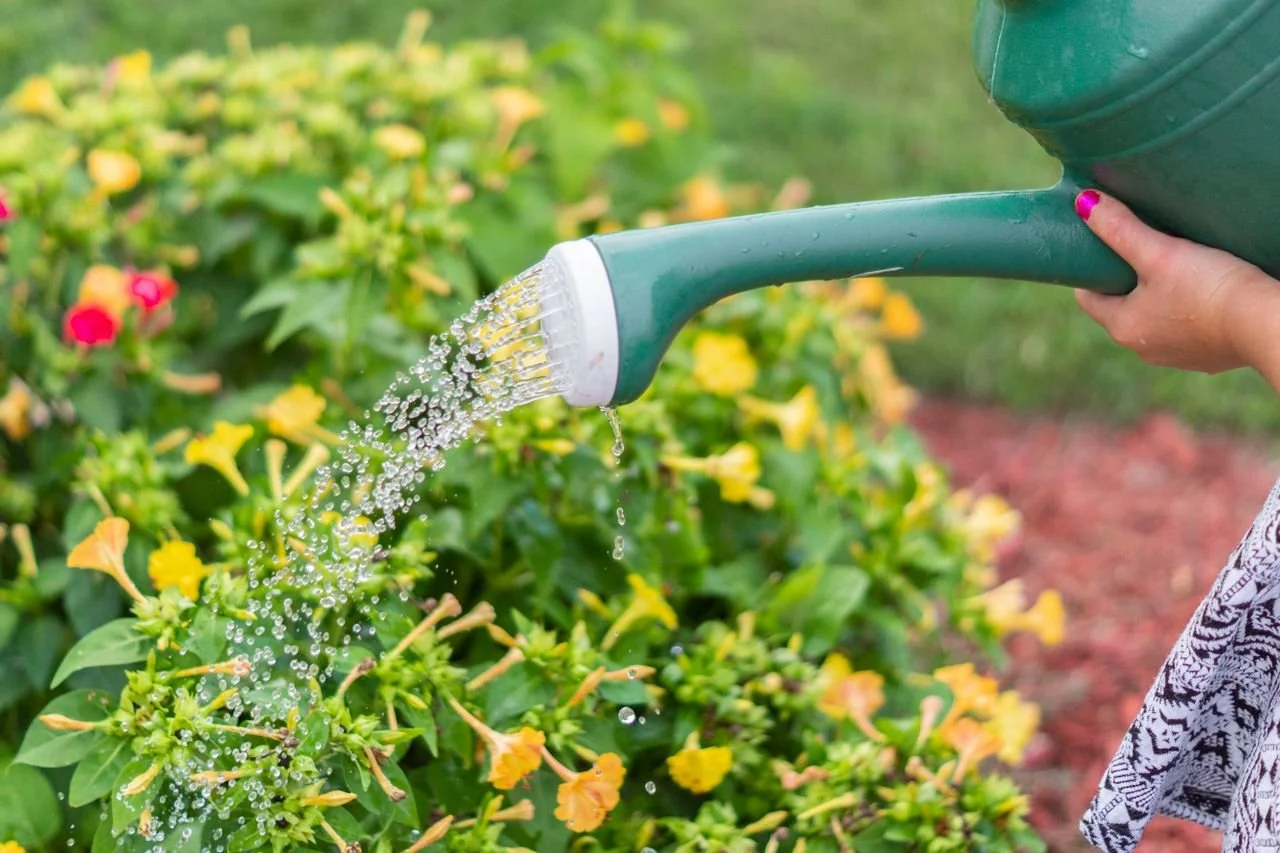
Irrigation is a system for delivering water to plants automatically, rather than relying on rainfall or a hose and watering can. It ranges from simple timer-controlled sprinklers to drip lines that target individual plants, and the right choice depends on what's being watered as much as the size of the garden.
In this article, we'll explore what irrigation actually does. You’ll learn the main system types available, how the right choice differs by planting style and what installation, control and long-term water use involve.
What garden irrigation actually does
A hose or watering can delivers water when someone remembers to use it. An irrigation system delivers water on a schedule, or in response to soil conditions, whether anyone's home or not. That consistency matters most during establishment, when new planting needs regular water to root properly. It’s also important during dry spells, when a missed week can undo months of growth.
Irrigation isn't only about volume though. A well-designed system delivers water to where it's needed, at the rate a particular plant and soil type can absorb it, rather than flooding the surface and losing much of it to runoff or evaporation. This is where the choice of system and how it's controlled start to matter more than simply how much water goes down.
Types of irrigation systems
Different systems suit different planting and different parts of a garden, often within the same project.
Sprinkler systems
Pop-up or fixed sprinklers distribute water over a wide area, making them well suited to lawns and dense planting beds where broad, even coverage matters more than precision. They're less efficient for individual specimen plants, since water lands across the whole area rather than concentrating where roots are.
Drip irrigation
A network of narrow tubing delivers water slowly and directly to the base of individual plants or along a planted row. Drip systems waste very little water to evaporation or runoff, which makes them well suited to borders, vegetable beds and containers where precision matters more than coverage.
Soaker hoses and sub-surface options
Porous hoses laid on or beneath the soil surface release water gradually along their length, sitting between sprinklers and drip lines in terms of precision. Sub-surface systems in particular reduce water loss to evaporation, though they're harder to inspect and repair once buried.
Choosing irrigation for different planting styles
A traditional lawn and border generally needs broad, regular watering, particularly through establishment and dry summer months, which suits sprinkler coverage well. Densely planted borders, where plants knit together and shade the soil beneath them, often need less frequent watering once established, since the planting itself helps retain moisture.
Drought-tolerant planting (often used in gravel surfaces and free-draining beds) needs the least irrigation of all once roots are established. That said, it still benefits from targeted drip watering in its first one to two years while it settles in. Getting this balance right avoids the common mistake of installing a single blanket system across a garden that actually needs several different watering approaches working together.
Installation and control considerations
Where the water comes from shapes the whole system. Mains-fed irrigation is the most straightforward to install but adds to a household's water usage and bill. A connected rainwater harvesting tank can supply some or all of a system's needs, reducing both cost and mains demand. Of course, tank capacity and rainfall through drier months can limit how much it covers alone.
Control has moved well beyond a basic tap timer. Soil moisture sensors can hold a scheduled watering back after rain, and weather-linked controllers adjust automatically for forecast conditions, both of which cut down on unnecessary watering.
Zoning matters just as much: separating a lawn's sprinkler zone from a border's drip zone means each area gets watered on its own schedule, rather than one setting compromising between very different needs.
Irrigation and sustainable water use
An irrigation system's long-term value depends on how efficiently it's used, not just how it's installed. Over-watering is one of the most common issues in gardens with automated systems, since a schedule set once at installation and never revisited tends to keep watering at the same rate even as planting establishes and needs less.
Reviewing a system seasonally, adjusting zones as planting matures, and pairing irrigation with rainwater harvesting where possible all help keep water use proportionate to what a garden genuinely needs. A system designed this way tends to use less water over its lifetime than an unautomated garden watered inconsistently by hand, while keeping planting healthier through the driest months.
You can learn about more gardening terminology in our complete guide.
Ready to design irrigation into your garden?
The right irrigation system keeps planting healthy through dry spells without wasting water on areas that don't need it. At Umber Garden Design, irrigation is considered alongside planting choices and site analysis as part of our garden design and landscaping services, so watering is built in rather than added as an afterthought.
Whether you're establishing new planting or improving how an existing garden copes with dry summers, we'll work closely with you to design a system suited to your soil, planting and water source. Contact us today to arrange a consultation.