
Design Meets Engineering: What a Landscape Architect Actually Does
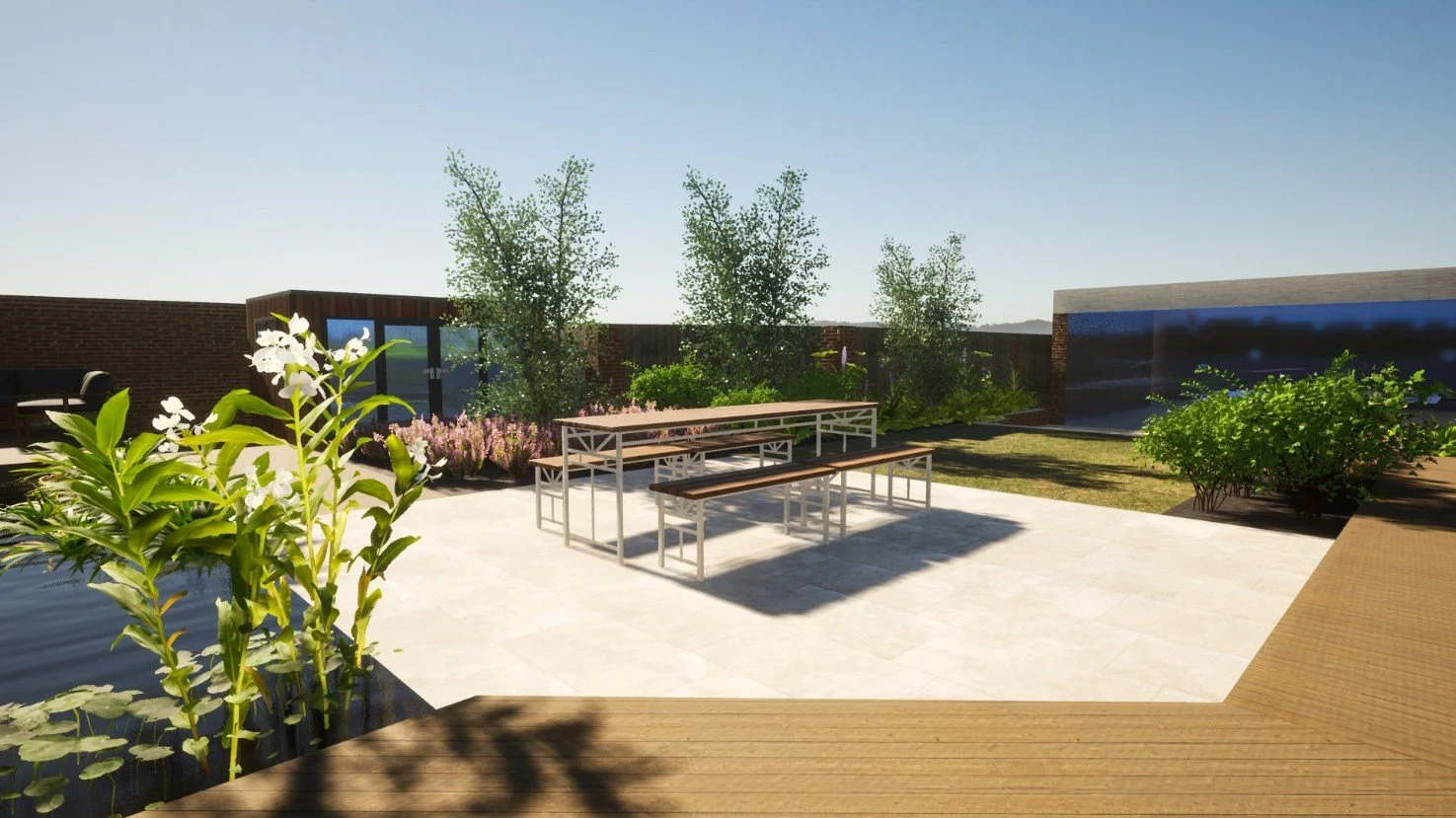
A landscape architect is a chartered, qualified professional trained to combine creative design with technical and engineering expertise. That’s applied to how land is shaped, built and sustained over time.
The role sits at the meeting point of two disciplines that don't always overlap:
The spatial, aesthetic judgement of design
The structural, ecological and regulatory knowledge needed to make a scheme actually work on the ground
In this article, we'll explore what the chartered qualification involves, how the engineering side of the role shapes a project and how it works alongside the design side. Plus, what a landscape architect delivers once appointed.
What makes a landscape architect a chartered professional?
In the UK, "landscape architect" is a protected title, awarded through chartership with the Landscape Institute. Reaching it requires an accredited degree with a structured period of professional practice and a formal assessment before someone can use the title. This sets the profession apart from titles that carry no formal regulation. It also means a chartered landscape architect holds professional accountability for the technical decisions made on a project.
That accountability matters because a landscape architect's work often carries real consequences if it goes wrong. That could be:
A retaining structure that needs to hold back a slope safely
A drainage scheme serving a whole site rather than a single bed
A planning submission that needs to satisfy a local authority's specific requirements
The engineering side of the role
Landscape architecture training covers subjects that go well beyond planting and layout:
Hydrology and drainage engineering
Structural principles for retaining walls and hard landscaping
Ecological assessment methods
The planning system itself, including how applications are prepared and submitted
This grounding is what allows a landscape architect to move confidently from a creative concept to a scheme that's genuinely buildable. A design that looks right on paper still has to manage water, bear load and satisfy regulation. Getting these calculations wrong is what turns an attractive plan into a costly problem once construction begins.
And the design side...
Alongside the technical training, a landscape architect is still fundamentally a designer. Masterplanning a site involves reading how light, movement and use flow across it. They need to decide how different zones relate to one another, and shape materials, levels and planting into a coherent whole rather than a set of disconnected engineering solutions.
This is where the two sides of the role meet. A retaining wall solves a structural problem, but where it's positioned, what it's built from (including backfill) and how it's detailed are design decisions that shape how the whole site feels to move through. A landscape architect is trained to hold both considerations at once, rather than treating engineering as something bolted onto a finished design.
Related reading: Stone, Block or Porcelain: Choosing the Right Paving for Your Garden
What a landscape architect delivers on a project
The output of a landscape architect's work typically goes well beyond concept sketches or mood boards. Expect a full masterplan setting out how the whole site relates together with detailed construction drawings specifying exactly how each element is built and ecological assessments establishing a baseline before work begins. Not to mention planning documentation prepared to the standard a local authority requires.
These documents are built to be worked from directly by contractors and engineers. That level of technical detail is what allows a complex scheme to move from design into construction without the gaps in specification that can otherwise cause costly delays or disputes on site.
Why the blend of design and engineering matters
Above all, the value of a chartered landscape architect is their ability to make design and engineering decisions together, so that a scheme's structure serves its appearance and its appearance never comes at the expense of how well it performs.
A landscape shaped this way tends to age better. It will cope more reliably with drainage and structural demands, and need fewer costly corrections once built. That combination of judgement and accountability is what the chartered title represents, and why it carries real weight on projects where the stakes of getting it wrong are high.
You can learn about more gardening terminology in our complete guide.
Bring design and engineering together for your garden
A landscape architect offers a rare combination: genuine design skill backed by the technical and engineering knowledge to make a scheme work in practice. At Umber Garden Design, our landscape architecture service draws on exactly this blend, alongside our garden design and landscaping services, to take on projects where structure, drainage and planning considerations matter as much as appearance.
Whether you're planning a large-scale masterplan or a site with genuine technical challenges, we'll work closely with you to bring design and engineering together from the outset. Contact us today to arrange a consultation.