
The Discipline of Doing Less: Designing a Low-Maintenance Garden That Looks After Itself
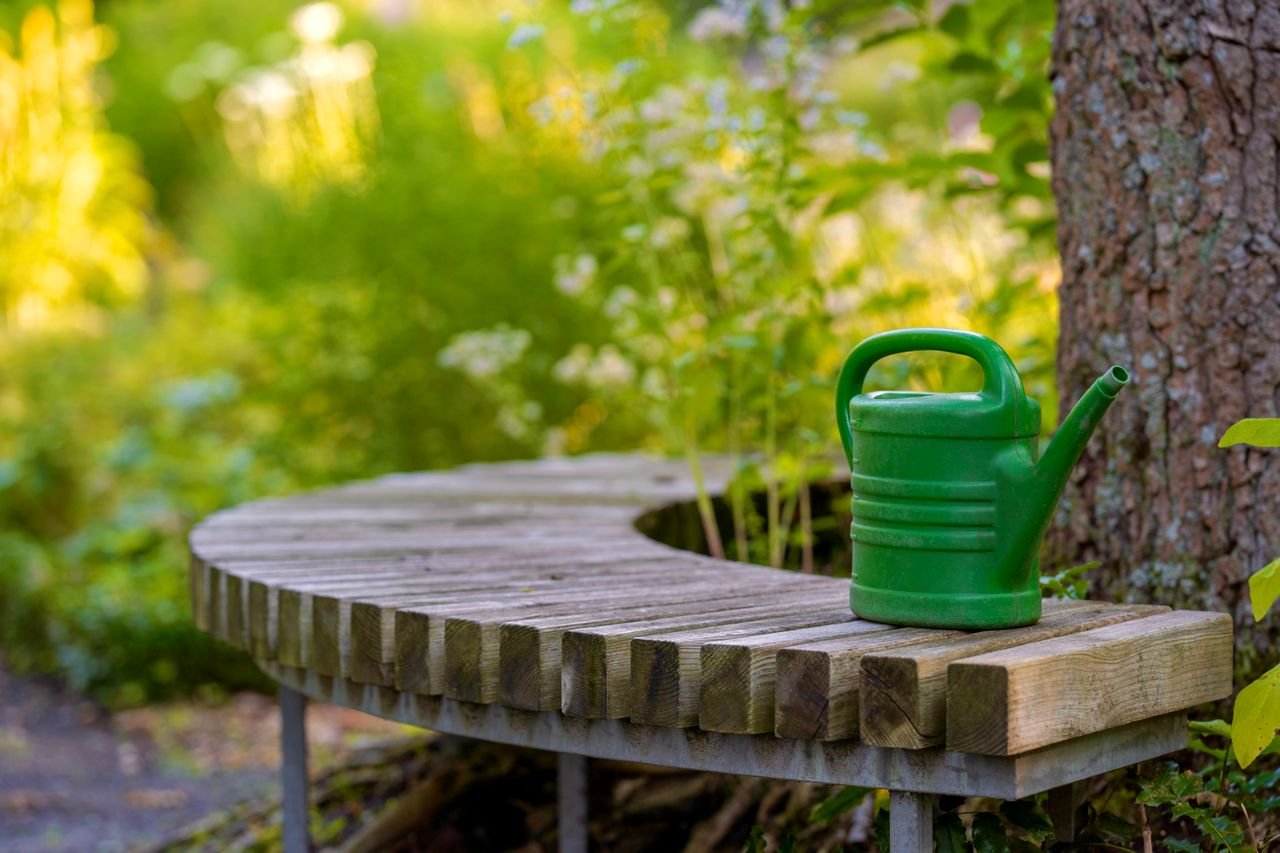
A low-maintenance garden is one designed from the outset to reduce ongoing upkeep, rather than one simply planted with fewer plants and hoping less will need doing.
The reduction in work comes from deliberate choices made before a single plant goes in the ground:
Which species are chosen
How densely they're planted
Which materials are used to build the spaces between them
In this article, we'll explore what genuinely reduces maintenance in a garden and the planting choices that matter most. We’ll also explore the design principles that cut down on ongoing work and how materials support a garden that holds up with less intervention.
What makes a garden low-maintenance?
The common assumption is that fewer plants and more hard surface means less work. In practice, the opposite is often true. Bare soil between sparse planting is exactly where weeds establish fastest, and a large expanse of lawn or paving still needs regular mowing, edging or cleaning to look kept.
A proper low-maintenance garden reduces work through density and suitability rather than absence. Plants are chosen for the specific conditions of a site and spaced closely enough to knit together once established. That leaves little bare ground for weeds to colonise. They also need less watering, feeding and intervention than a sparse planting scheme in the same space.
Planting choices that reduce upkeep
Perennials and shrubs suited to a site's soil, light and drainage will establish and thrive with far less ongoing care than plants forced into conditions they don't naturally tolerate. Right plant, right place remains the single most effective principle available. Put simply, a plant that’s suited to its spot needs less watering, less feeding and less replacing than one that's fighting its environment from day one.
Self-seeding perennials and grasses add another layer of low-maintenance value, filling gaps and softening edges without needing to be replanted each year. Species with strong natural structure (ornamental grasses, Sedum, Euphorbia and similar plants) also hold their shape through winter, reducing the annual cutting back that many traditional borders demand.
Design principles that reduce ongoing work
Simplifying a garden's layout does more to cut maintenance than any single plant choice. Think fewer changes of material, fewer small isolated beds requiring individual edging and generous, clearly defined borders. These all reduce the number of separate tasks a garden demands week to week.
Lawn size and shape matter more than most clients expect. A large lawn with complex curved edges takes considerably longer to maintain than a smaller lawn with simple, straight boundaries, regardless of how big the overall garden is.
Reducing lawn area in favour of dense planting or a hard surface such as gravel or paving often cuts maintenance time significantly, while still leaving room for a smaller, well-proportioned lawn if that’s what you want.
Materials that support a low-maintenance garden
The materials used between planted areas carry as much weight as the planting itself:
Durable, well-laid paving needs little beyond occasional cleaning, while a well-built gravel surface suppresses weeds and drains freely with minimal ongoing attention.
Timber structures built to last avoid adding a recurring task to a garden's calendar.
Clear, solid edging between lawn, border and hard surface also reduces work directly, preventing grass creeping into beds or gravel migrating onto a lawn.
These details are easy to overlook at the design stage but make a measurable difference to how much time a garden actually demands once it's established.
Low maintenance through the seasons
A garden designed to reduce upkeep still changes through the year, but the work involved stays proportionate rather than overwhelming. Dense, well-chosen planting needs little beyond an annual cutback and occasional feeding, and structural elements like well-detailed paving or gravel need only periodic attention rather than constant care.
The true test of a low-maintenance garden comes a few years after planting, once everything has established. A garden built on the right principles from the start tends to need less intervention over time, as planting fills in and suppresses the weeds and bare ground.
You can learn about more gardening terminology in our complete guide.
Ready to design a garden that looks after itself?
A low-maintenance is one where planting, layout and materials have been chosen deliberately to reduce ongoing work. At Umber Garden Design, we build this thinking into our garden design and landscaping services from the earliest site analysis, so upkeep is designed down rather than managed after the fact.
Whether you're planning a new garden or rethinking how much time an existing one demands, we'll work closely with you to design a space that suits how much time you actually want to spend on it. Contact us today to arrange a consultation.