
Protected Places: What a Conservation Area Means for Your Garden
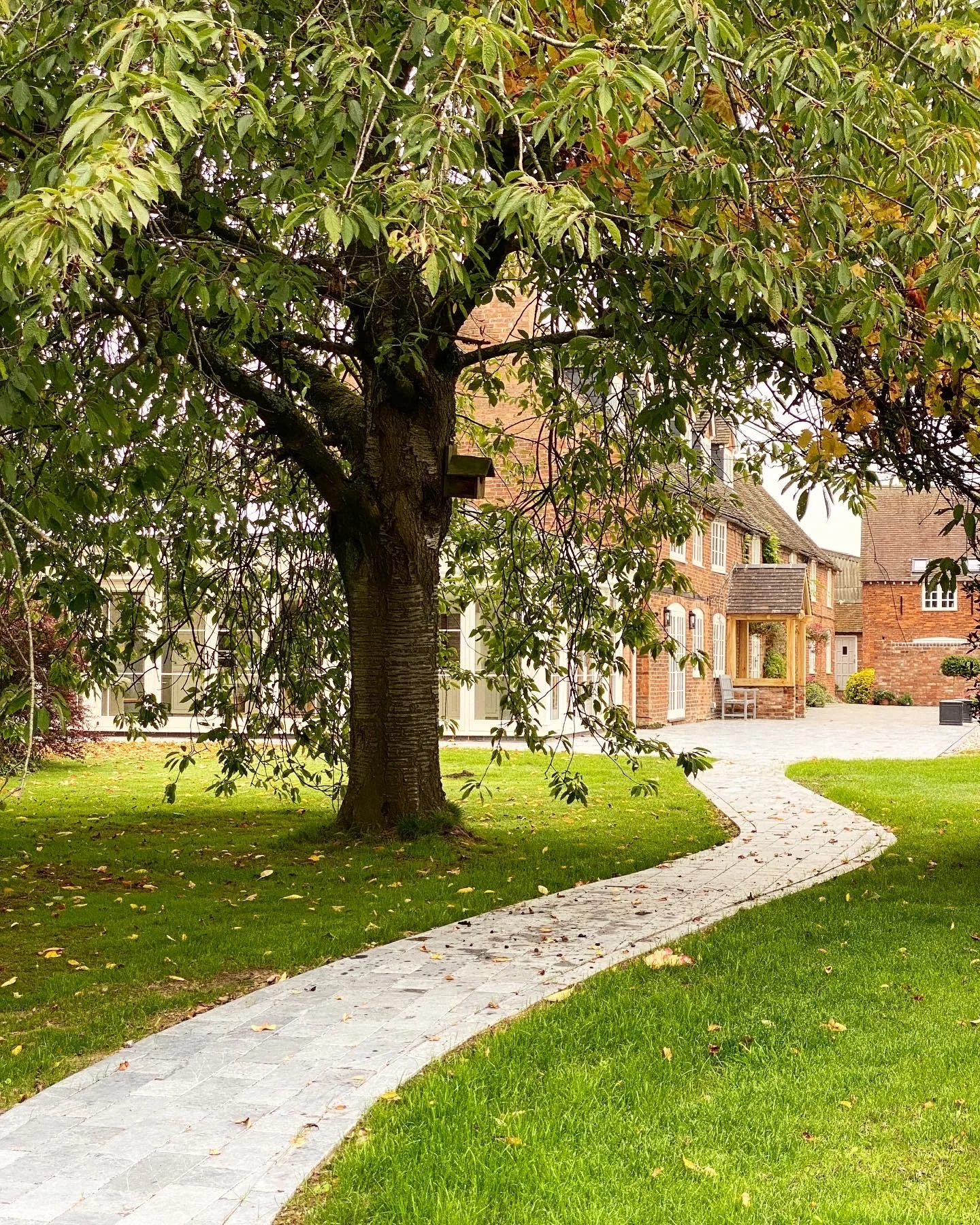
A conservation area is a place of special architectural or historic interest where the local council applies extra planning controls to protect its character. Those controls reach beyond the house itself, covering trees and boundary walls plus many of the structures you might want to add to a garden.
Living in a conservation area doesn't mean a garden can't change. But it does mean certain works need notice or permission first, and that good design pays close attention to what makes the area special.
In this article, we'll explore what the designation is, how it affects trees, boundaries and garden buildings and how to plan a project that sits comfortably within the rules.
What exactly is a conservation area?
Conservation areas were introduced in 1967 and are now designated by local planning authorities under the Planning (Listed Buildings and Conservation Areas) Act 1990. There are more than 10,000 in England, ranging from historic town centres to small village greens and estates of period houses. Warwickshire has its fair share, including large parts of Warwick, Leamington Spa and Kenilworth, along with numerous villages.
The designation protects the overall character of a place rather than individual buildings. Trees, hedges, walls, railings and open spaces often contribute as much to that character as the architecture, which is why gardens fall within the controls. Most councils publish a conservation area appraisal describing what's considered important in each area, and it's a useful starting point before planning any work.
Trees in a conservation area
Trees are the area where conservation controls most often affect a garden. If you want to cut down, top, lop or uproot a tree in a conservation area, you’ll need to give the council six weeks' written notice before starting (known as a section 211 notice). This applies to trees with a trunk diameter of 75mm or more, measured 1.5 metres above the ground.
The notice period gives the council time to decide whether the tree is important enough to protect with a tree preservation order. If it doesn't make an order or respond within six weeks, the work can go ahead. Carrying out work without giving notice is a criminal offence, so it's worth checking before any significant pruning or removal, even for a tree you planted yourself.
There are some exemptions, including dead trees and small-scale work needed to prevent immediate danger, but the details are specific and it's sensible to confirm with the council's tree officer first.
Walls, gates and fences
Boundaries are a defining feature of many conservation areas, and they're protected accordingly. Planning permission is needed to demolish a wall, gate, fence or railing more than one metre high next to a road or footpath, or more than two metres high elsewhere.
New or altered boundaries need the same care. Even where a replacement fence or wall would normally be permitted, councils will expect materials and details that suit the area. Replacing a traditional brick wall or iron railings with close-boarded fencing, for example, is likely to be resisted.
Related: The First Thing People See: Designing for Kerb Appeal
Garden buildings and other alterations
Many garden projects rely on permitted development rights, which allow certain works without a full planning application. In conservation areas, some of those rights are reduced. Outbuildings such as garden rooms, sheds and studios can't be built to the side of a house without planning permission, and limits apply to the size and height of any structure elsewhere in the garden.
Some councils go further by issuing an Article 4 direction, which removes specific permitted development rights altogether. These can cover anything from front boundary changes to hard surfacing or painting the exterior of a house. Because Article 4 directions vary from one area to the next, it's important to check whether one applies before designing a scheme.
Raised decks and platforms more than 30cm above ground need planning permission wherever you live, and in a conservation area councils will look closely at any new structure visible from the road.
Designing a garden that respects its setting
The most successful gardens in conservation areas work with the character of the place rather than against it. Materials are the clearest example. Natural stone, local brick, gravel and traditional metal railings tend to sit well alongside period properties, while large expanses of modern paving or composite products can feel out of place, particularly in front gardens visible from the street.
Planting can strengthen a garden's contribution to the area. Native hedging, specimen trees placed to replace older ones as they decline and front gardens that stay green rather than being paved over all reflect the qualities conservation areas are designed to protect. Many councils offer pre-application advice, and discussing a scheme early can save time and avoid costly redesigns later.
Planning rules change and vary between authorities, so this article is a general guide to the position in England. Always confirm the requirements for your property with your local planning authority before starting work.
You can learn about more gardening terminology in our complete guide.
Ready to plan a garden in a conservation area?
A conservation area brings extra responsibilities, but it also offers a setting that rewards careful, sympathetic design. At Umber Garden Design, we regularly work on gardens in historic towns and villages across Warwickshire, providing garden design and landscaping that respects each area's character. We'll work closely with you to understand the constraints on your property and create a garden that feels as though it has always belonged.
Whether you're replanting around mature trees or reworking a period front garden, we'll help you plan with confidence. Contact us today on 01926 754 049 or at hello@umbergardendesign.co.uk to arrange a consultation.