
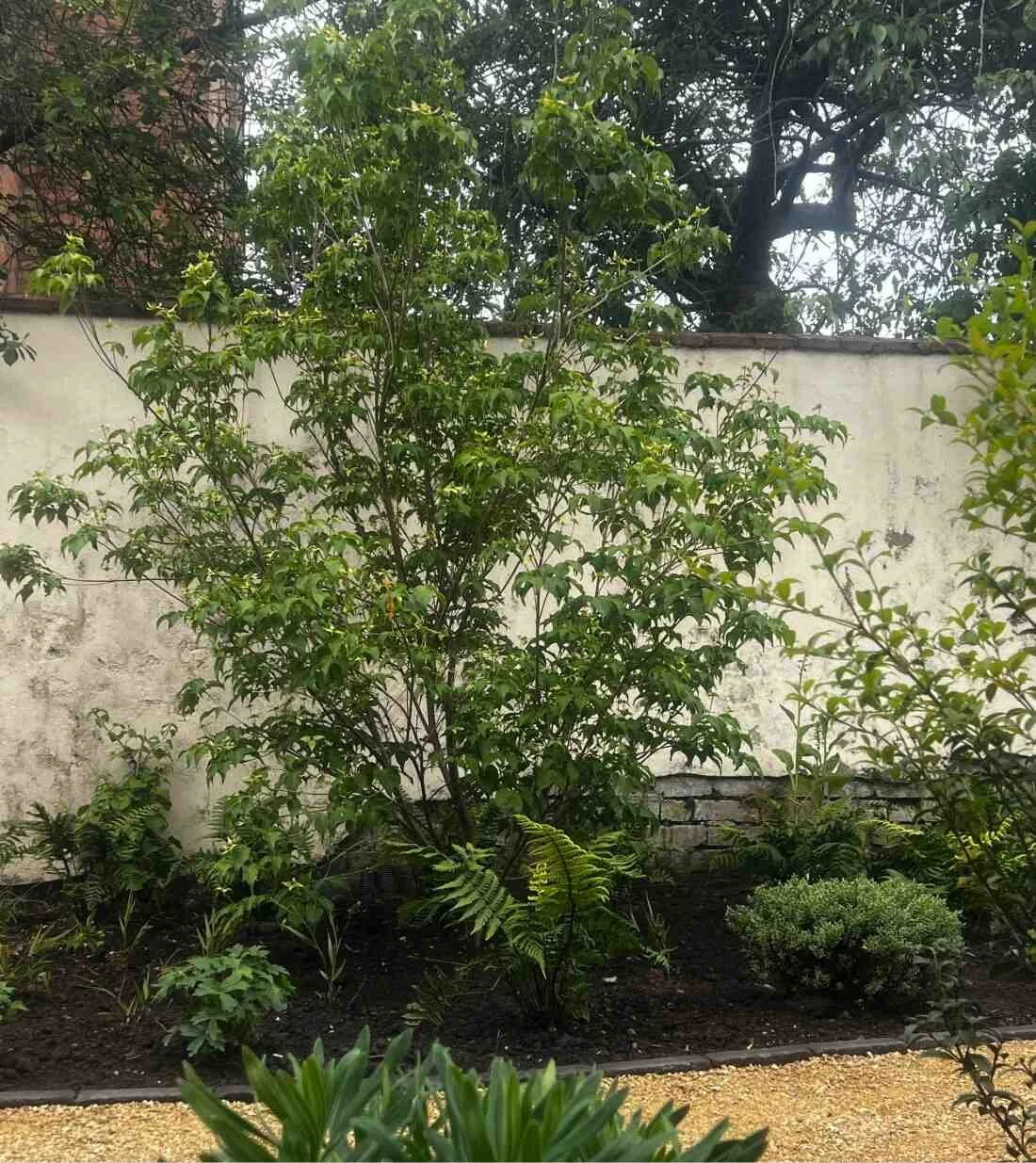
Hardiness is a plant's ability to tolerate cold, along with the other conditions of a British winter. It's usually described in terms of the lowest temperature a plant can survive, but in practice it depends just as much on wet soil and wind, plus where the plant is placed.
Understanding hardiness helps you choose plants that will thrive for years rather than struggle through their first winter. In this article, we'll explore what hardiness ratings mean and the factors beyond temperature that affect a plant's survival. We’ll also cover how hardiness should shape the design of a planting scheme.
What hardiness means
A hardy plant can stay outside all year without protection. A tender plant can't tolerate frost and needs to be brought under cover or replaced each year. Between the two sit half-hardy plants, which will survive light frosts but are vulnerable in a harder winter.
Hardiness isn't only about whether a plant survives. A plant growing at the edge of its tolerance may live through winter but emerge weakened and short of flowers. For perennials and shrubs that are expected to perform for many years, choosing plants comfortably within their limits matters as much as avoiding outright losses.
The RHS hardiness ratings
The Royal Horticultural Society uses a scale from H1 to H7 to describe how much cold a plant can tolerate. The ratings you'll most often see are:
H1a to H2 – Plants that need heated or unheated glass, such as tropical houseplants and many bedding plants
H3 – Half-hardy plants that survive down to around -5°C
H4 – Plants that are hardy through an average UK winter, down to around -10°C
H5 – Plants that are hardy through a cold winter, down to around -15°C
H6 and H7 – Plants that are hardy in very cold winters and the most exposed sites, down to -20°C and below
For most gardens in the Midlands, plants rated H4 or above are a sensible baseline. Plants rated H5 or higher give a margin of safety for colder sites and harsher winters.
What affects hardiness beyond temperature
Believe it or not, winter wet kills more plants than cold. Many Mediterranean plants, such as lavender and rosemary, will tolerate low temperatures in free-draining soil but rot quickly when their roots sit in cold, waterlogged ground. On heavy clay soil, improving drainage or planting into raised beds or gravel can make the difference between a plant thriving and failing.
Wind is the other major factor. Cold, drying winds damage foliage and can scorch evergreens in particular, as they continue to lose moisture through their leaves while the ground is frozen. Young plants and those with large, soft leaves are especially vulnerable on exposed sites.
Microclimates and placement
Every garden has its own microclimates, and they can change a plant's effective hardiness considerably. A south-facing wall absorbs heat during the day and releases it at night, creating a sheltered spot where borderline plants can survive. Courtyards and spaces close to the house are often a few degrees warmer than open ground.
Frost pockets work the other way. Cold air is heavy and flows downhill, settling in dips and at the bottom of slopes. A plant that's perfectly hardy elsewhere in the garden may suffer repeated frost damage if it's placed where cold air collects. Reading these variations is part of a thorough site analysis and should guide where each plant goes.
How hardiness shapes a planting scheme
In a well-designed scheme, the most hardy plants do the heaviest lifting. Trees, hedges and structural plants form the permanent framework of the garden, so they should be fully hardy and well suited to the site. Losing a mature hedge or specimen tree to a hard winter is costly and leaves a gap that takes years to fill.
Less hardy plants still have a place, but in roles where the risk is managed. Tender accent plants can be grown in containers and moved under cover for winter. Half-hardy plants can be given the warmest, most sheltered positions. Annuals and tender bedding can add seasonal colour without forming part of the permanent structure. This layered approach allows a planting scheme to be adventurous without being fragile.
Planning for the long term
Milder winters have encouraged many gardeners to experiment with less hardy plants, but the UK climate is becoming less predictable rather than simply warmer. Wetter winters and occasional hard frosts remain a real risk, and a single severe cold spell can undo years of growth.
A resilient planting scheme is built mainly from plants that suit the site in an ordinary winter and can cope with a bad one. Choosing for hardiness from the start means fewer losses and a garden that matures as intended.
You can learn about more gardening terminology in our complete guide.
Ready to plan a planting scheme that lasts?
Choosing plants with hardiness in mind gives you a garden that performs year after year, whatever the winter brings. At Umber Garden Design, we assess every site's conditions as part of our garden design and planting work, so each plant is chosen for where it will grow.
Whether you're planning a new garden or renewing tired borders, we'll create a scheme suited to your site. Contact us today on 01926 754 049 or at hello@umbergardendesign.co.uk to talk through your planting.